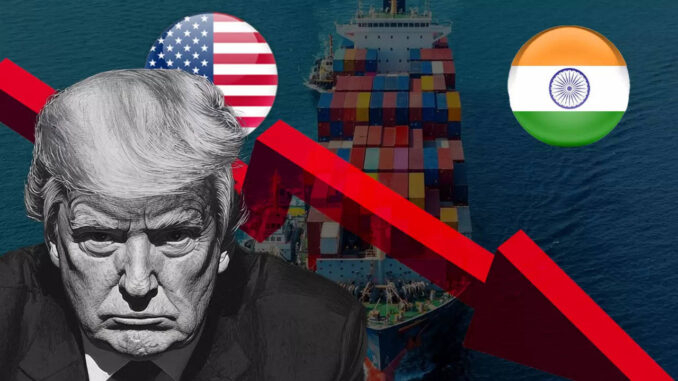
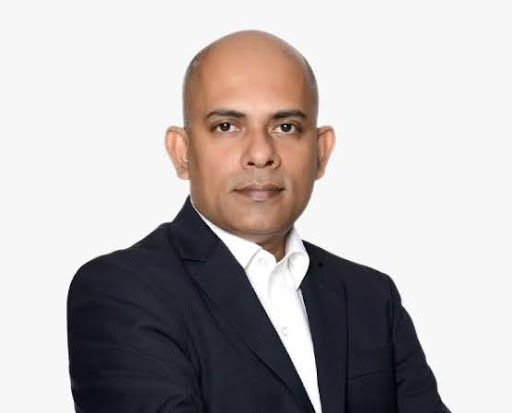
India–US Tariff War: 45% of Exports Driven by MSMEs Under Threat, but New Markets Await September 5, 2025 MSME Sampark Msme News 0 The ongoing U.S. tariff war has triggered a wide debate on its implications for global trade, supply chains, and domestic industries. For India, the effects are being felt most acutely by the 6.3 crore MSMEs that form the backbone of the economy—contributing over 45% of exports and employing nearly 110 million people. From rising costs and export hurdles to shifting market strategies, MSMEs are caught in both challenges and opportunities. Below, we explore expert perspectives on how the tariff war is reshaping their business strategies. Opinion from Sonam Bhagat, Founder-CEO, Vygr News Media “This tariff war isn’t just about trade—it’s about the redrawing of global supply chains. For India’s 6.3 crore MSMEs, higher duties erode cost competitiveness and narrow export opportunities, especially for small firms with thin margins. In media alone, an INR 2.5 trillion industry contributing 0.73% to GDP, rising tariffs on cameras, editing gear, and broadcast tech directly hit production houses. Yet, this disruption is also a chance—to reorient towards domestic demand, diversify into alternative markets, and strengthen digital exports where India already leads with 32% revenues from digital media.” Mr. Mukesh Gupta – Marketing Head, MaxVolt Energy “The 25% tariff on Indian automotive exports puts real pressure on one of our fastest-growing sectors. For companies exporting EV batteries and power solutions, this means higher costs and tougher competition from countries like Vietnam and Turkey with lower tariffs. To stay strong globally, India must quickly build its own brands, diversify markets, and strengthen trade partnerships. With the right policy support and industry–government collaboration, our innovation and skilled workforce can still keep India competitive.” Says Sankar Chakraborti, MD & CEO, Acuité Ratings & Research Limited: “The US decision to hike tariffs on Indian imports to 50% is a heavy blow for sectors like textiles, electronics, and gems & jewellery, which depend on America for nearly one-third of their exports. Since exports to the US make up about 2.5% of India’s GDP, this step could slow our growth by almost 0.6%. For India’s businesses, especially smaller exporters, it means tougher times ahead—but also a push to look beyond one market. Expanding trade ties with the EU and ASEAN, and deepening cooperation with partners like China and Russia under the R-I-C framework, will be crucial in finding new opportunities and reducing over-dependence on the US.” India–US Tariff War: A Wake-up Call for MSMEs By Pratik Vaidya, MD & Chief Vision Officer, Karma Management Global Consulting Solutions Pvt. Ltd In FY 2024–25, India’s exports to the U.S. touched US $86.5 billion, with MSMEs contributing over 45% of total exports and employing nearly 110 million people. This makes them especially vulnerable as the U.S. imposes tariffs of up to 50% on textiles, gems, electronics and auto components. Unlike large corporates, MSMEs lack buffers, making margin compression and order cancellations a real threat. Relief must go beyond rhetoric — faster GST refunds to ease liquidity, extended export credit lines, and cluster-based support are urgent. Equally important is diversifying trade through FTAs with Europe, UK and the Middle East, coupled with PLI schemes and digital export facilitation to build resilience. MSMEs are the backbone of ‘Make in India’; without strategic intervention, tariff wars risk undoing years of innovation, exports and job creation. Conclusion The India–U.S. tariff war is not merely a trade dispute—it is a wake-up call for India’s MSMEs. The challenges of cost escalation, shrinking margins, and disrupted exports are real. Yet, within these disruptions lie opportunities: strengthening domestic demand, diversifying export markets, and embracing digital trade. With timely policy intervention and adaptive strategies, Indian MSMEs can emerge stronger and more resilient in the evolving global economy. Popular Articles IPO News Northern Arc Capital IPO Allotment Likely on Sept 20: How to Check Status Online Msme News Odisha’s MSME Sector Embraces Digital Transformation through CII’s Digital Saksham Program Msme News “India Reduces MSME Payment Delays to ₹7.34 Lakh Crore, But Issues Still Persist” : Report Msme News Government Extends Interest Equalisation Scheme for MSME Exporters Until December 2024 Msme News Protectionist Measures on Steel Imports Will Hurt MSMEs: EEPC Msme News PM Vishwakarma Scheme Brings Skill, Tools & Credit Support Msme News 53% of Citizens Face Financial Scams in Last 5 Years, MSME Ministry Issues Urgent Warning Msme News Government Announces ₹10,000 Crore MSME Growth Fund in Budget 2026–27 Msme News SPICE makes credit simpler and faster,” said Ishita Thaman, IES Msme News MSME Delayed Payments: Only 20% of Complaints Resolved, Government Data Reveals











Be the first to comment