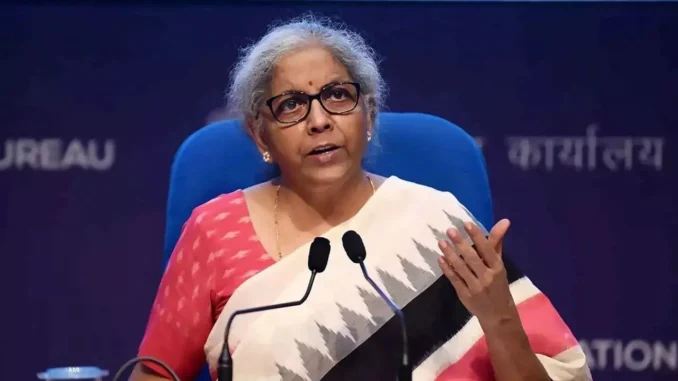
GST Reforms 2025: Two-Slab Structure to Impact 6.3 Crore MSMEs in India September 4, 2025 Rahul Singh Msme News 0 The Goods and Services Tax (GST) Council, in its 56th meeting chaired by Union Finance Minister Nirmala Sitharaman, has approved the next generation of reforms to India’s eight-year-old indirect tax system. The marathon meeting, which lasted over 10 hours and included ministers from 31 states and Union Territories, has paved the way for one of the most significant overhauls since GST’s launch in 2017. The Council cleared the transition to a two-slab structure of 5% and 18%, with a 40% demerit rate reserved for super luxury items, sin goods, and demerit products. The reforms aim to: Lower the tax burden on common citizens Simplify compliance for businesses Ease blocked working capital Improve the ease of doing business with automated refunds and simplified registration processes The revised GST rates will take effect from September 22, 2025. The only exception is tobacco and related products, which will continue under the existing system until outstanding pandemic-era compensation loans are fully repaid. Key Features of the GST Reforms 2025 1. Relief on Daily Essentials Lower GST on soaps, toothpaste, baby diapers, sewing machines, butter, and cheese. For MSMEs in FMCG and retail, this could translate into higher demand and better consumer affordability. 2. Healthcare Made Affordable Reduced GST on oxygen, diagnostic kits, and health insurance premiums. Beneficial for MSMEs in pharma, diagnostics, medical equipment manufacturing, and insurance distribution, with potential for market expansion. 3. Support for Agriculture and Allied Sectors Reduced GST on tractor tyres, drip irrigation systems, fertilizers, and farm equipment. Likely to reduce input costs for farmers and strengthen MSMEs in the agri-supply chain, from equipment manufacturers to distributors. 4. Education Sector Benefits Books, maps, pencils, notebooks, and other learning materials exempted or shifted to lower slabs. Positive for MSMEs engaged in publishing, stationery, and edtech, helping them expand their reach. 5. Consumer Appliances and Electronics Lower GST on appliances like air-conditioners, washing machines, and televisions. MSMEs in electronics distribution, consumer appliance manufacturing, and repair services could see a rise in demand. 6. Automobiles and Green Mobility Tax benefits for hybrid cars, electric vehicles, and goods transport vehicles. Opens new growth opportunities for MSMEs in logistics, transport services, and EV ecosystem. 7. Tobacco and Sin Goods Stay Outside the Reform No immediate change for pan masala, gutkha, cigarettes, chewing tobacco, zarda, raw tobacco, and bidis. These remain under current GST rates plus compensation cess until the government clears loans taken during the pandemic to offset state revenue shortfalls. The Centre borrowed ₹1.1 lakh crore in 2020-21 and ₹1.59 lakh crore in 2021-22 under this arrangement. For 2025-26, the Union Budget estimates ₹1.67 lakh crore in cess collection, of which ₹67,500 crore will go towards repayment. Once loans and interest are fully cleared, the GST Council will set a date for these products to shift into the new rate structure. Implications for MSMEs For India’s MSMEs, the reforms are more than just tax changes — they directly affect operations, margins, and growth opportunities. Reduced operational costs in essentials, healthcare, agri-equipment, and education supply chains. Boosted consumer demand in FMCG, appliances, automobiles, and green mobility. Simplified compliance with automated refunds and easier registration, saving time and effort for small businesses. Neutral impact for MSMEs linked to tobacco, as the current cess system continues. Conclusion The GST Council’s 56th meeting marks a turning point in India’s tax policy. By simplifying slabs, cutting rates on essentials, and streamlining processes, the reforms are expected to strengthen both consumption and business competitiveness. For MSMEs — the backbone of India’s economy — this is a timely opportunity to reduce costs, reach more consumers, and align with a more efficient compliance framework. The changes take effect on September 22, 2025, giving businesses a short window to update their systems, contracts, and supply chains. Preparing early will ensure MSMEs are ready to take full advantage of the new regime. Popular Articles Msme News India’s Green Manufacturing Drive Accelerates as ZED Certification Crosses 3.3 Lakh MSMEs Msme News New Opportunities for Indian Textile MSMEs and Exporters with Bharat Tex 2026 Msme News The 18% Tariff Deal Is Done. Now What Do MSMEs Actually Do With It? Msme News PayPal & The Rise of India’s Digital MSMEs MSME Economy MSME Confidence Is the Highest It’s Been in Three Quarters. Don’t Get Comfortable Yet. Msme News CBIC Extends Export Benefits to Courier Shipments to Boost E-Commerce Msme News President of India Launches ODR Portal on MSME Day 2025 to Resolve Payment Disputes Msme News Telangana Govt Earmarks ₹600 Crore to Boost MSME Sector Msme News PhonePe and SIDBI Partner to Enable Digital-First Udyam Registration through Udyam Assist Platform Msme News Govt Launches ₹5 Lakh Grant Scheme for New MSMEs






Be the first to comment